
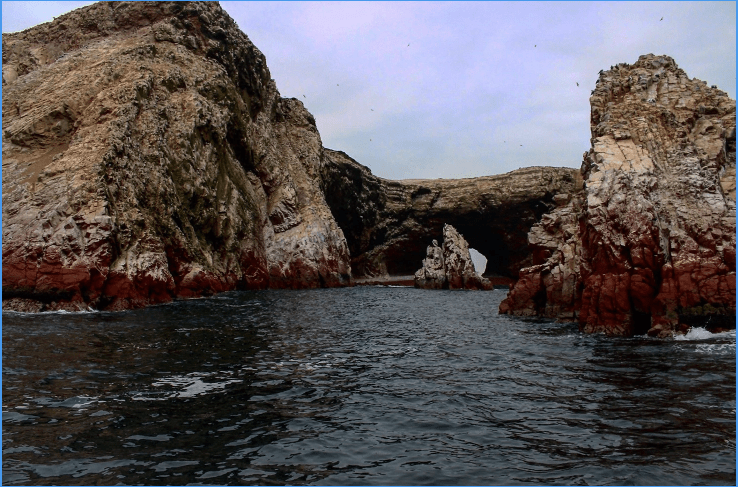
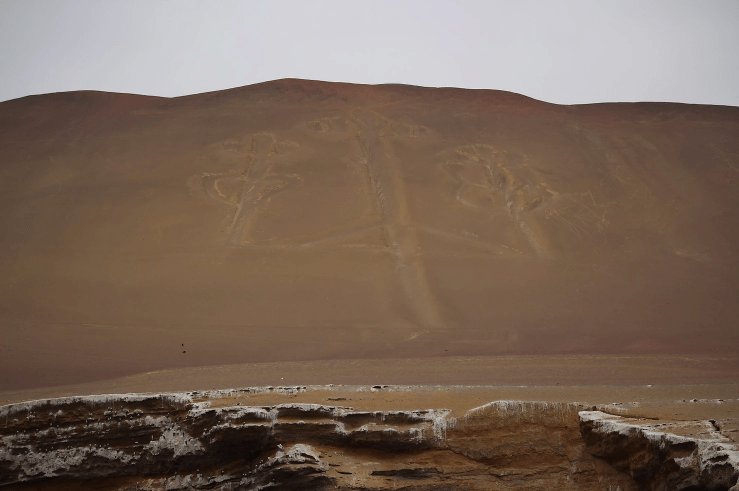
My first trip planned while in Peru was to the state of Ica, which is about 4 hours south of Lima. The wonderful thing about this state is that it’s filled with all the most exciting things anyone would want to do. It has the Paracas, which is a reserve that was formerly ocean but due to the San Andreas fault shifting, it has now turned into a desert which is highly fertile and you can see people farming the land in little plots. It’s a marvel to imagine that this was once a part of the Pacific Ocean- this information for a environmental studies major was a definite field trip, albeit not as much as the island hopping we did to the Ballestas islands which is a part of the Paracas reserve. We traveled about thirty minutes into the ocean at 8am after getting off of our red eye bus which dropped us off at Paracas at 7am. The wind that picked up from the ocean at that time of the morning along with the speed of the boat was definitely a chill to the bones, although extremely refreshing. The ocean smelled nothing like fish and salt, but just clean air which for a city girl was horribly exciting. On our way we saw one of the sand dunes with a drawing of a candelabra. No one knows why it is there or who put it there, many assume that it was used to indicate to ships where they have reached during the times of lesser navigable times or that it was created by aliens, however the true meaning of this reminds a mystery till this date. It is a magnificent sight to behold because you are wondering to yourself, how does that even just magically appear here?
We then passed on to the Islas Ballestas, a collection of islands that are formed by volcanic lava, comprising mostly of ferrous rocks which give them a very beautiful reddish orange look and covered with a layer of calcium. They are all very differently shaped surrounded by beautiful emerald green waters that magically appears when you near the islands. The Islas Ballestas, which I would consider a mimic of the Galápagos Islands with all its intrinsic environments. They have a lot of lagoons and caves that are mostly beaches of the seals.
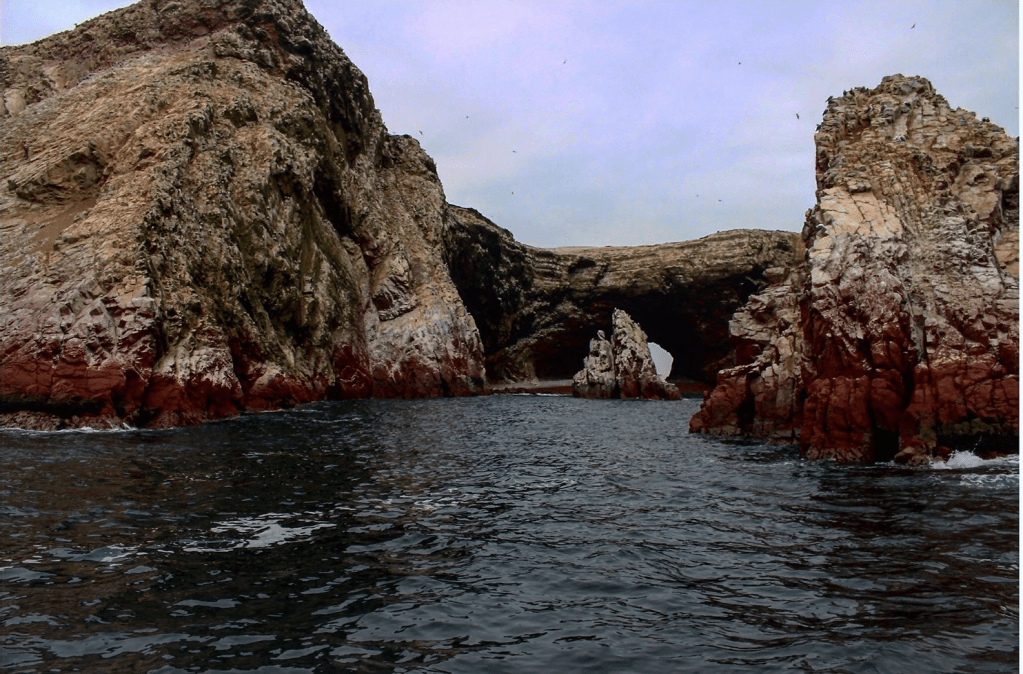
During the summer season (February-April), the sea lions beach themselves for breeding season. There are over 2,000 of them at each of the beaches. Once they finish breeding, they usually head back to the ocean during the Peruvian winter. However, we were quite lucky to witness some of the seals that hadn’t gotten back to the ocean yet.


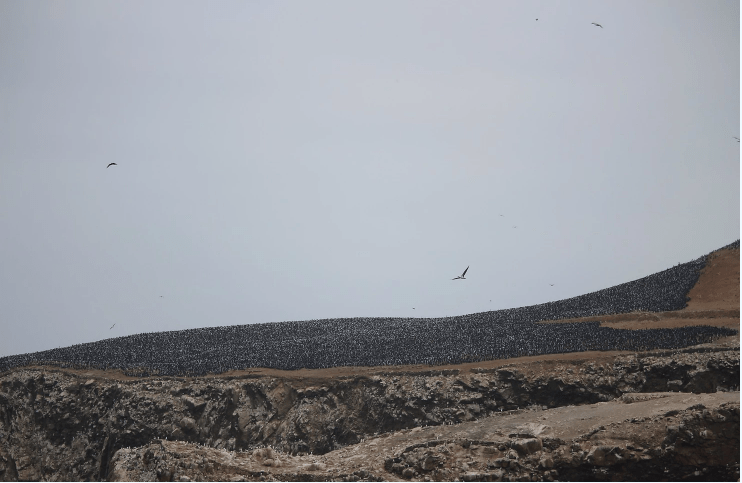
Most of them were lounging on the rocks or nestling in with their pup seals. It was quite adorable. Also, we witnessed a huge number of birds of different species. Species that have migrated from Antarctica and from that are intrinsic to Peru. The islands otherwise are covered with the aforementioned species of birds. They are everywhere, if not for the penguins and the seals.
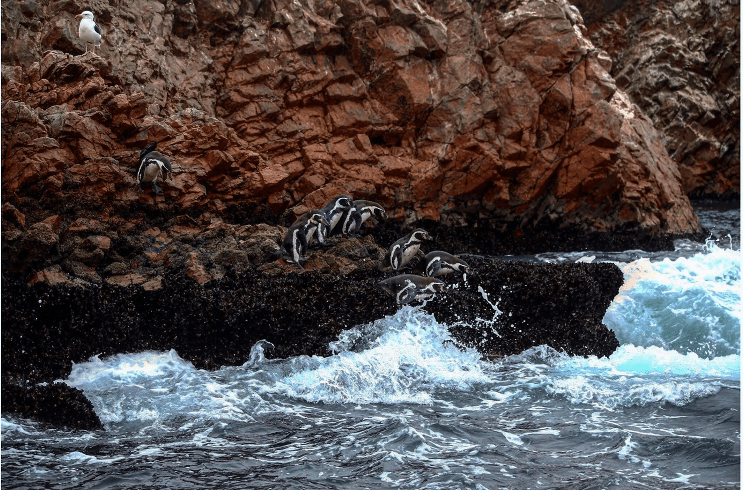
After touring around the islands, we headed back to the main port of Paracas. It was exhilarating to be in the open ocean, coming back to land seemed like a harsh slap of reality. If you choose to go on the island hopping, be sure to bring sunblock, a good windbreaker or a hoodie , binoculars and a camera that you can zoom in and capture the wildlife (that is if you are into capturing birds and animals) as it is the best canvas for you to experiment with on-the-move photography as the ferry is constantly moving and you are trying to get the best shot of the animals as possible.
 chasingtimezones